Independent Advice on Addiction Treatment.

Looking for the right addiction treatment for a member of your family? Addiction Help can help with both experienced and impartial advice.

Addiction Help help to match the most beneficial treatment to the needs of the person you are concerned about. We consider your budget, the specific addiction and treatment history, as well as age and other risk factors.

Find an effective addiction treatment centre today!!

Looking for addiction treatment in Cape Town?

Help you or your loved ones to 'Get well, live well and stay well'. Contact Addiction Help for advice.


When it comes to drug addiction, denial isn't just a river in Egypt

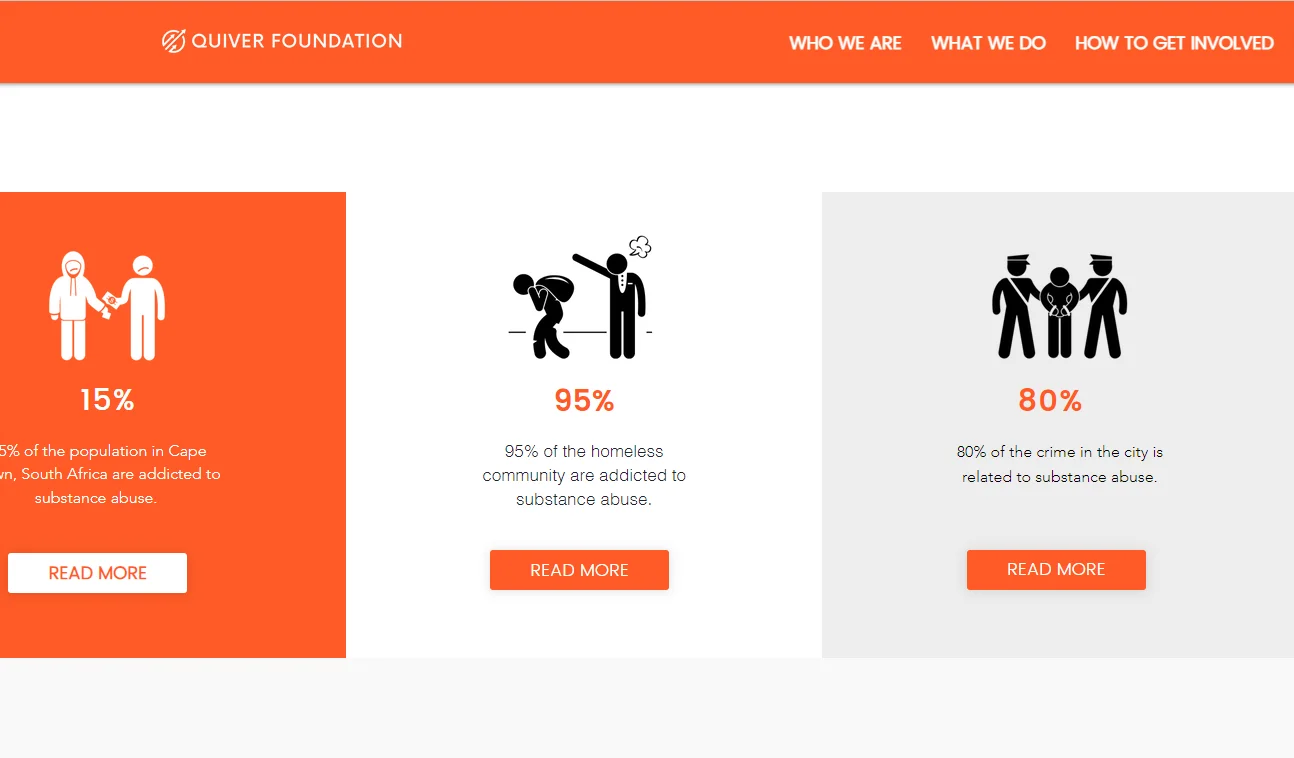
Drug addiction is characterised by the compulsive use of drugs in spite of the negative consequences.  And these penalties can be devastating – job loss, divorce, arrests, and health problems.

So why do drug addicts continue to use regardless of the costs?  The answer lies partly in the presence of “withdrawal symptoms” which is one of the hallmarks of drug addiction.  If the addict stops using drugs abruptly they may suffer very unpleasant physical symptoms.  So the addict will be caught in the trap where they are forced to use to avoid withdrawal symptoms.

The other major contributor is denial. The tricky thing about denial is that the addict absolutely believes their own denials. Some people say that denial is an acronym for “Don’t even know I am lying”. 

Denial is an unconscious defense mechanism that protects us from a reality that’s too painful to acknowledge. Drug addiction rehabilitation has the task of dismantling the mental processes associated with denial.

This is a crucial aspect of the treatment process without which rehab will fail.

How do addicts deny their drug addiction?

Rehab patients make excuses to justify their drug addiction.  They may blame their using on any number of things – feeling sad, past trauma, stress, their parents and upbringing, or even the weather! 

This justification is a form of denial.  The addict is not willing to admit that they are using drugs because (s)he is unable to stop.  Making excuses is a fairly overt form of denial – the addict may say things like “I’m not a serious addict; I only use drugs because of the stress at work”. 

A more subtle form of denial is minimizing the consequences of drug addiction.  When people minimize their consequences they downplay how bad their problem has been.  The unspoken rationale behind this seems to be that if drugs are not a problem in life then they can continue using. 

Patients in drug addiction treatment may minimize the quantities they consumed.  This can be overtly dishonest through misreporting the quantity in order to make their problem seem less severe. 

Drug addicts also intellectualize their problem and blame others for it. Once a person is dependent of drugs it’s best to seek in-patient treatment for effective rehabilitation.

Please contact one of our treatment coordinators today to arrange an assessment.

Working through denial of drug addiction

One way that a rehab counsellor can overcome this form of denial is by obtaining collateral information from a friend or family member.  The collateral information will likely be more accurate about the nature of the problem, since the family member has nothing to fear from exposing the addiction.

Another way that denial of drug addiction can be overcome is through the group therapy process.  Addicts are very good at spotting denial in other addicts.  By coming together as a group each member will have the opportunity to receive feedback from her peers.  This feedback can expose blind-spots that the addict may not have known about. 

This will help to overcome denial as the logical fallacies that support it may be drawn into question.

The group process can also help break down denial of drug addiction simply by providing an environment where it is safe and acceptable to admit to the nature of the problem.  A group of supportive peers, all of whom acknowledge their problem, will provide social support to an addict battling with denial.

Denial really can interfere with your drug addiction treatment.  Think about it – if you don’t accept that you have a problem then how can you work on it?

The good news is that an addict can be in complete denial when they arrive at the treatment center and still benefit from the program.  In fact one could go so far as to suggest that even somebody who arrives willingly at treatment could still have some level of denial in the form of “reservations”.

 So don’t panic if your loved one is in denial, the treatment centre will be able to help them through it.

If your loved one is in denial of his/her problem and you would like expert advice on how to help please contact us today. Our addiction treatment consultants will give you independent advice drawn from years of training and careful research.

081 444 5000

Alternatively fill in the form below and we will get back to you immediately.


Further Addiction Treatment Articles

Choosing the best drug addiction treatment centre for you
Choosing an alcohol or drug addiction treatment centre, whether for yourself or for a loved one, can seem like a difficult task. Often, the decision to find help is brought about by a substance abuse related crisis. Under these circumstances emotions run high and relationships are usually strained. Some people feel completely alone and confused. The tendency is to grab at the first...  

The importance of counselling for addiction treatment
Alcohol and drug addiction counseling is an important part of many treatment programs in rehab centres across the world. There are many different counseling approaches and frameworks. Counseling is usually conducted within the auspices of the mental health model of addiction. Addiction is seen as an illness that can be treated through a combination of techniques and...  

Early days along the road to recovery from active addiction
There are a lot of ways that people can find their way into an addiction treatment centre. Some addicted patients just know that whatever benefits they used to get from using alcohol and other drugs just don’t seem to work anymore and they have reached the end of that path. For others there may have been intervention or help from family, friends or a concerned employer, life...  

Drug Help

Plan of action for after drug

The goal of drug addiction treatment is to help the addict into a stable and contented recovery.

Recovery from addiction is so much more than just stopping drugs.  It involves improving the way you engage with life to enhance your overall experience of life.


Drug Info

Get it right the first time in

Nobody will argue that drug addiction is a dangerous disease that can be fatal.  If left untreated it progresses until eventually the addict is living in a nightmare. 


Addictions Help